
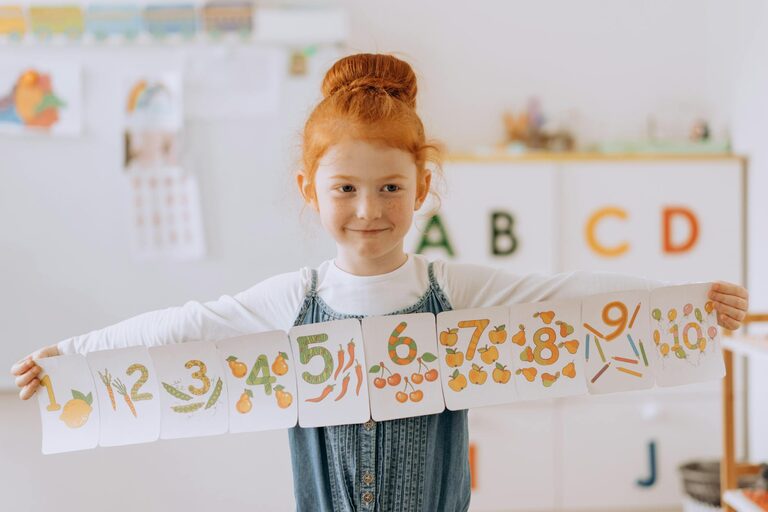
Every parent knows the joy of receiving a brand-new piece of art from their child. From finger paintings to colorful drawings and crafty creations, kids’ artwork is a wonderful expression of their creativity and growth. However, as the collection grows, it can quickly lead to clutter and disorganization. If you’re wondering how to keep all those precious pieces tidy without throwing anything away, this guide offers practical and friendly tips to organize kids’ art effectively.
Why Organize Kids’ Art?
Before diving into tips, it helps to understand why organizing kids’ art matters:
– Preserves Memories: Artwork captures your child’s development and creativity at different ages.
– Reduces Clutter: Without a system, art projects take over fridge doors, drawers, and counters.
– Easy Access: Organized art means you can easily find a special piece when you want to revisit it.
– Encourages Creativity: A neat display or storage system can inspire kids to keep creating.
1. Create a Dedicated Art Space
Having a specific area in your home for your child’s artwork can make a big difference.
– Display Zone: Use a bulletin board, wall grid, or string with clips to showcase current art.
– Art Station: Allocate a shelf or cabinet for art supplies and projects.
– Gallery Wall: Frame and rotate favorite pieces to celebrate creativity while controlling clutter.
This approach keeps art visible and valued without overwhelming the whole house.
2. Sort Artwork Regularly
Set a routine to go through new artwork with your child—weekly or monthly works well.
– Select Favorites: Let your child pick the most special pieces to keep or display.
– Photograph Others: Take pictures of art you don’t keep physically.
– Recycle or Gift: Dispose of excess or send some to family and friends who would appreciate them.
Sorting helps teach decision-making and keeps your collection manageable.
3. Use Digital Storage Solutions
Digitizing artwork is a smart way to preserve memories without physical clutter.
– Scan or Photograph: Use a scanner or smartphone to capture high-quality images.
– Organize Digitally: Create folders sorted by date or theme on your computer or cloud storage.
– Use Apps: There are several apps designed for organizing kids’ art, such as Artkive or Keepy.
Digital archives allow easy sharing with family and can be turned into photo books or gifts later.
4. Invest in Storage Containers
Physical storage remains important for three-dimensional or sentimental pieces.
– Portfolios and Binders: Use large, acid-free portfolios or binders with plastic sleeves.
– Storage Boxes: Label and stack sturdy boxes by year or child.
– File Folders: Organize smaller drawings or papers individually.
Labeling each container clearly helps with quick sorting and retrieval.
5. Make Art Books or Crafts
Transform collections into keepsakes:
– Bind Artwork with a DIY Book: Punch holes in pages and tie them together with ribbon or rings.
– Create Photo Books: Use digital images to design professional photo books online.
– Craft Projects: Turn art into bookmarks, greeting cards, or wrapping paper.
These projects turn piles into cherished items that are easier to store and share.
6. Display Creatively
A bit of creativity in displaying art can keep your child proud and your space tidy.
– Rotating Displays: Swap artwork regularly on a magnetic board or clip string.
– Shadow Boxes: Showcase three-dimensional crafts inside glass boxes.
– Clipboards or Frames: Use clipboards mounted on the wall for quick art swaps.
Displaying art in a contained, organized way encourages your child to keep producing new work.
7. Encourage Your Child to Participate
Involving your child in organizing their art helps teach them responsibility.
– Decision-Making: Let them choose which pieces to keep and display.
– Organizing Help: Invite them to help file or photograph their creations.
– Celebrate Creativity: Praise their choices and display their favorites proudly.
This involvement makes the process fun and educational.
8. Avoid Overwhelming Yourself
Remember, no system is perfect. There will be more artworks than you can keep.
– Set Limits: Decide how much space you dedicate for storage.
– Selective Saves: Keeping everything isn’t necessary; focus on meaningful pieces.
– Regular Maintenance: Stick to a routine of sorting and storing art to avoid buildup.
By balancing preservation with practicality, you’ll keep the process enjoyable and clutter-free.
Conclusion
Organizing your children’s artwork doesn’t have to be a chore. By setting up dedicated spaces, sorting regularly, digitizing, and involving your child, you create a system that honors their creativity and keeps your home neat. Whether you display masterpieces proudly, store them carefully, or turn them into memorable books and crafts, these tips can help you enjoy your child’s artistic journey for years to come.
Happy organizing!