
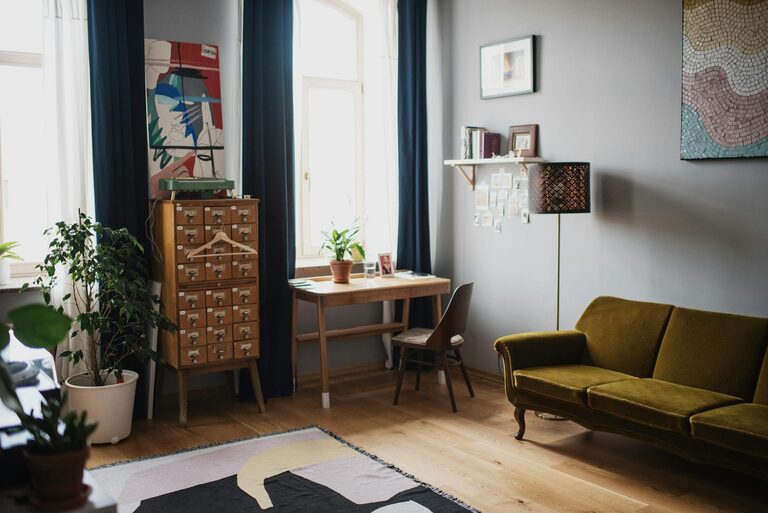
Creating a comfortable home environment involves many factors, and lighting plays a crucial role. Whether you’re reading a book, cooking, or relaxing, the right lighting can make all the difference. In this post, we’ll explore how to choose home lighting that is both functional and comfortable, helping you transform your space into a welcoming haven.
Why Comfortable Lighting Matters
Comfortable lighting improves not only the look of your home but also your well-being. Poor lighting can cause eye strain, headaches, and even affect your mood. On the other hand, well-chosen lighting supports your daily activities and enhances the coziness of your rooms.
Understanding Different Types of Lighting
Before picking fixtures or bulbs, it’s helpful to understand the three main types of lighting that work together in a room:
– Ambient Lighting: This is the general, overall light that fills a room. It comes from ceiling lights, wall-mounted fixtures, or large lamps.
– Task Lighting: Focused lighting used for specific activities like reading, cooking, or working.
– Accent Lighting: Adds visual interest by highlighting artwork, plants, or architectural features.
A balanced combination of these lighting types ensures comfort and functionality.
Tips for Choosing Comfortable Lighting
1. Consider the Function of Each Room
Each room has different lighting needs.
– Living rooms benefit from warm ambient lighting with flexible task lights for reading.
– Kitchens require bright, clear task lighting for cooking, along with ambient light to keep the space inviting.
– Bedrooms should have soft, warm lighting that promotes relaxation, with task lights for reading.
Think about how you use each room to select appropriate lighting levels and styles.
2. Choose the Right Color Temperature
Color temperature is measured in Kelvins (K) and affects how warm or cool the light looks:
– Warm white (2700K–3000K): Creates a cozy and relaxing atmosphere, ideal for living rooms and bedrooms.
– Neutral white (3500K–4100K): Good balance for kitchens and bathrooms.
– Cool white (5000K–6500K): Bright and energizing; often used in workspaces and garages.
For comfortable home living, warm to neutral light is usually best.
3. Opt for Adjustable Lighting
Lighting control adds comfort. Dimmers allow you to customize the light intensity to suit different moods and times of day. Adjustable lamps and fixtures let you position light right where you need it.
Many modern lighting systems support smart controls, which can be a convenient way to change lighting scenes without leaving your seat.
4. Pay Attention to Bulb Quality and Brightness
Look for bulbs with a high Color Rendering Index (CRI) — preferably 80 or above. High CRI bulbs display colors more accurately and naturally, reducing eye strain.
Brightness is measured in lumens. A living room might need around 1,500 to 3,000 lumens total, while task areas such as a kitchen counter may require more. Consider layering light sources to achieve the right balance.
5. Avoid Glare and Harsh Shadows
Glare and shadows disrupt comfort. To prevent glare, use diffusers on light fixtures, or choose lampshades that soften the light. Position light sources thoughtfully to avoid shining directly into your eyes.
Layering lighting also helps reduce harsh shadows by illuminating spaces evenly from different angles.
6. Match Lighting Style with Your Decor
Lighting fixtures are not just functional—they contribute to your room’s style. Choose fixtures that complement your furniture and overall aesthetic while still meeting your lighting needs.
Whether you prefer modern, rustic, or classic looks, there are plenty of stylish options that also provide comfortable, practical lighting.
7. Use Natural Light When Possible
Natural light is the most comfortable and healthiest source of lighting. Use sheer curtains or blinds to control sunlight without blocking it entirely.
Arrange furniture to take advantage of windows, and consider mirrors to reflect natural light deeper into rooms.
Common Lighting Mistakes to Avoid
– Choosing lighting that’s too bright or too dim for the space.
– Ignoring color temperature, leading to cold or overly yellow rooms.
– Failing to layer light types, resulting in flat or uncomfortable environments.
– Neglecting bulb quality, which can cause eye strain and dull colors.
By keeping these points in mind, you can avoid common pitfalls.
Final Thoughts
Selecting comfortable home lighting isn’t just about picking pretty fixtures, but about creating an environment that works well for your daily activities and personal comfort. By considering function, color temperature, adjustability, and style, you can make lighting choices that enhance your home and well-being.
Take your time exploring different options and don’t hesitate to experiment until you find the perfect lighting balance for your space.
—
Feel free to share your favorite lighting tips or ask questions in the comments below!